

Gastech 2026 Bangkok Comes as Asia Faces a New Energy Reality Shaped by Geopolitics, Clean Technology and Rising Demand

Industry Events - Global professional event hub
Gastech 2026 highlights Asia’s role in connecting gas, clean energy, geopolitics, food security and industrial growth.
Gas and energy no longer stand alone; they sit at the center of food, technology, security and quantum computing industries.”
BANGKOK, THAILAND, September 12, 2026 /EINPresswire.com/ -- Gastech 2026 will take place at BITEC Bangkok from 14–17 September 2026, bringing the global energy industry to Southeast Asia at a time of rising demand, geopolitical tension and rapid clean-energy transformation.— Arjang Salamat
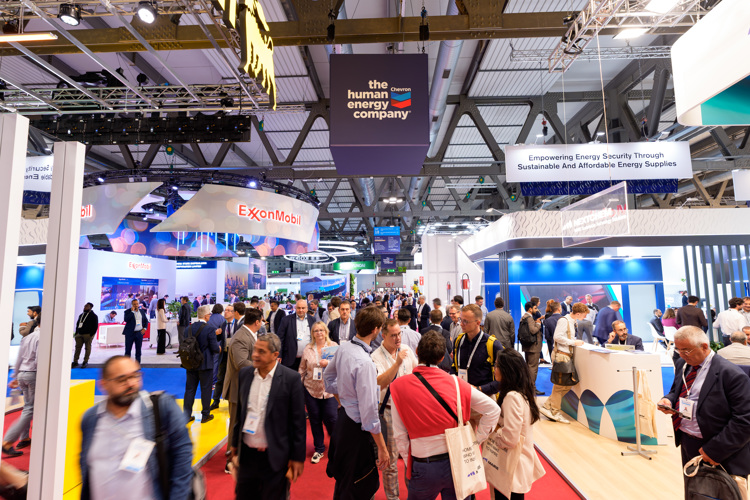
Hosted by Thailand’s Ministry of Energy, Gastech 2026 will convene energy ministers, policymakers, producers, infrastructure companies, technology providers, investors, traders and utilities across natural gas, LNG, hydrogen, low-carbon solutions, electrification and AI for energy. Thailand’s Ministry of Energy has described the event as a strategic platform for energy security and future economic resilience amid recent geopolitical and global energy-market volatility.
For executives, the importance of Gastech 2026 goes beyond gas supply. It sits at the centre of a wider question now facing governments and industry: how to deliver secure, affordable and cleaner energy while geopolitical risk, electrification, AI infrastructure, food security and industrial growth are all placing new pressure on energy systems.
Industry Events has published a feature, “Gastech 2026 Brings Global Energy Leaders to Bangkok as Asia Drives the Next Wave of Demand,” examining why Bangkok is becoming a key meeting point for the industries now converging around energy.
The timing is significant. Reuters analysis has reported that Asia dominates the global landscape for gas-fired power generation capacity in operation and under construction, as governments and utilities use gas to support rising electricity demand alongside expanding renewable power. At the same time, Southeast Asia has become a major growth market for Chinese clean-technology exports, including solar, batteries and electric vehicles, showing how the region is being shaped by both gas demand and clean-energy deployment.
This is the new energy reality: gas, LNG, renewables, hydrogen, AI, grids, shipping, fertiliser and finance are no longer separate conversations.
Geopolitics has returned energy security to the boardroom and energy security has moved back to the centre of executive decision-making.
Recent years have shown how quickly conflict, sanctions, shipping risk, pipeline disruption and market shocks can move through energy prices and industrial supply chains. For Asia, this is especially important because many economies rely on imported fuels while also trying to expand renewables, strengthen grids and attract advanced manufacturing.
The Middle East remains central to this picture. Qatar, Iran and Saudi Arabia each represent a different part of the gas story: reliable LNG scale, resource depth, and gas-led industrial diversification.
China adds another layer. Its choices on gas, pipelines, LNG imports, coal, renewables, batteries and industrial policy influence not only its own energy system, but also pricing, supply chains and clean-technology competition across Asia.
Gastech 2026 arrives at precisely this point of complexity. It is not simply an exhibition for gas companies. It is a forum where energy security, industrial policy, clean-energy investment and regional diplomacy meet.
Qatar: LNG scale and the next phase of supply security and remains one of the most important suppliers in the global LNG system.
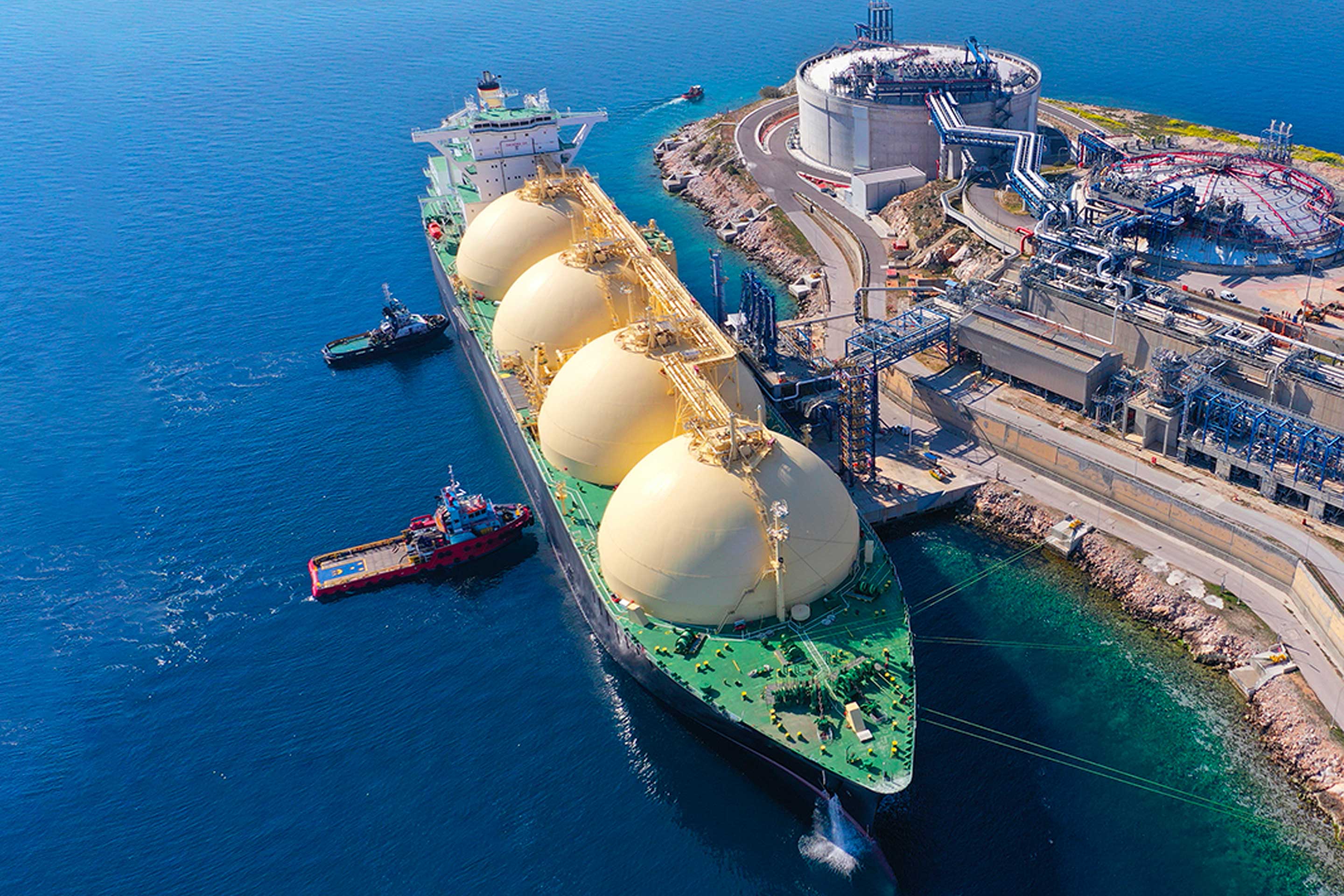
QatarEnergy has said the North Field West expansion will help lift Qatar’s LNG production capacity from 77 million tonnes per year to 142 million tonnes per year by the end of 2030. The expansion matters for Asia because LNG supports more than power generation. It is tied to industrial heat, chemicals, fertiliser, shipping, long-term contracts and energy security.
Qatar also shows how gas advantage is becoming technology advantage. Large LNG projects depend on liquefaction trains, cryogenic systems, compression technology, shipping capacity, methane management and carbon-performance expectations. In the next LNG cycle, buyers will not only ask who has gas. They will ask who can deliver it reliably, competitively and with credible emissions performance.
Iran: resource depth, geopolitical risk and the gap between discovery and supply. In October 2025, Iran announced a new discovery at the Pazan gas field in southern Iran, adding about 10 trillion cubic feet of gas resources, with around 7 trillion cubic feet potentially recoverable if a 70% recovery rate is achieved. Iran’s oil minister said production from the discovery was expected to take about 40 months.
That distinction matters. A discovery is not the same as deployable supply. Wells, processing facilities, compression, pipelines, equipment access, finance, market routes and political risk all determine whether resources become commercial gas.
For executives, Iran is a reminder that energy security cannot be measured by reserves alone. It must be judged by development capacity, infrastructure reliability, geopolitical exposure and access to markets.
Saudi Arabia: gas as an industrial and clean-energy platform. Saudi Arabia is using gas as part of a wider industrial strategy. Aramco says its gas program supports power generation, water desalination, industrial operations and petrochemicals, and that its strategy includes increasing gas production by around 80% over 2021 levels by 2030**. Aramco has also announced progress at Jafurah, including the start of unconventional gas production and operations at Tanajib Gas Plant, as part of its plan to expand sales gas production capacity.
This matters because gas can support more than electricity. It feeds petrochemicals, hydrogen, ammonia, water desalination and industrial clusters. It can also support the power systems needed for AI infrastructure and manufacturing growth.
Saudi Arabia’s strategy shows how gas can become a platform for national economic diversification, provided it is paired with lower-carbon technologies, efficient infrastructure and credible emissions management.
China: demand, infrastructure and clean-technology competition. Reuters analysis has reported that China has the world’s largest gas pipeline buildout, while Asia leads global gas-fired generation capacity in operation and under construction. But China is also one of the world’s most important forces in clean technology, from solar and batteries to electric vehicles and grid equipment. Southeast Asia’s rising demand for Chinese clean-tech products shows how the energy transition is becoming both a climate story and an industrial-competition story.
For LNG producers, China’s demand choices affect contracting, pricing and investment confidence. For clean-technology companies, China’s manufacturing scale affects costs and competition. For Southeast Asia, China is simultaneously a market, supplier, investor and strategic neighbour.
At Gastech 2026, the China question is therefore not only how much gas China will buy. It is how China’s mix of gas, renewables, coal, pipelines, batteries and industrial policy will reshape Asia’s energy economics.
Clean energy is no longer outside the gas conversation. Gas will remain important in many energy systems, but its future role will increasingly depend on whether it can support decarbonisation rather than slow it down.
That is why Gastech 2026’s focus on hydrogen, low-carbon solutions, electrification and AI for energy matters. The official exhibition programme positions Gastech around natural gas, LNG, hydrogen, low-carbon solutions and AI for energy, reflecting how the industry’s agenda has moved beyond fuel supply alone.
Connecting the dots is critical for professionals, executives and decision-makers who are planning, investing in and designing the future.
Gas, fertiliser, agriculture, AI, robotics, quantum computing, cybersecurity and food security may appear to belong to separate industries. In reality, they are increasingly part of the same strategic system.
Natural gas affects fertiliser production.
Fertiliser affects agriculture and food security.
LNG affects shipping, ports and global trade infrastructure.
AI, robotics and quantum computing affect productivity, energy demand and industrial competitiveness.
Clean technology affects capital flows, infrastructure investment and long-term resilience.
Cybersecurity affects the safety and reliability of connected energy, food, logistics and industrial systems.
Geopolitics affects all of them.
This is why cross-industry intelligence matters. IndustryEvents.com helps professionals, executives and decision-makers connect the dots between events, technologies, markets and regions — so they can see change earlier and plan with greater confidence.
The future will not be shaped by isolated sectors, but by the connections between them. IndustryEvents.com follows where industries connect.
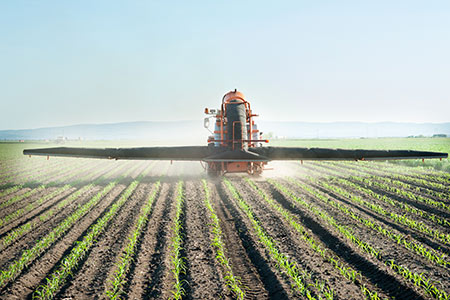
Natural gas is a key feedstock for hydrogen and ammonia. Ammonia is used to produce nitrogen fertiliser, which supports crop yields and food production. When gas prices rise or supply is disrupted, fertiliser production can become more expensive. That pressure can move from energy markets into farming costs and food prices.
This is why energy security is also food security. Qatar’s LNG expansion, Iran’s gas resources, Saudi Arabia’s industrial gas strategy and China’s demand all connect, directly or indirectly, to fertiliser supply chains, agriculture and food affordability. The relationship is not theoretical. It is part of how modern food systems are built.
For decision-makers, this means gas strategy should not be separated from agriculture, trade, logistics, climate policy and social resilience.
Thailand’s role as host gives Southeast Asia a visible position in a global energy discussion often dominated by producers, large importers and major technology exporters.
Bangkok sits in a region where energy demand, LNG infrastructure, industrial growth, digitalisation, clean technology and food-system resilience increasingly overlap. The official Gastech program says the event will connect energy solutions and technologies with global industry leaders, decision-makers and financiers across natural gas, LNG, hydrogen, low-carbon solutions and AI for energy.
That makes Gastech 2026 relevant not only to energy companies, but also to executives in agriculture, shipping, logistics, data infrastructure, manufacturing, chemicals, finance, insurance and technology.
Industry Events is tracking Gastech 2026 as part of its wider coverage of global events, industry news and cross-sector intelligence. The platform helps professionals discover the conferences, exhibitions and forums where industries meet, partnerships form and future investment priorities become visible.
The Industry Events feature on Gastech 2026 places the Bangkok gathering inside the wider context of Asia’s demand growth, energy security and the transition toward more sustainable energy systems.
“Gastech 2026 brings together energy, technology, infrastructure, finance and industrial strategy at a time when Asia’s energy decisions will affect supply chains, food systems, clean technology and economic growth.”
For executives, the value of the event lies in the connections it makes visible. Qatar’s LNG expansion, Iran’s resource base, Saudi Arabia’s industrial gas strategy and China’s demand all point to a larger transition: the energy system is becoming more connected, more political, more digital and more exposed to climate and technology change.
A strategic window into the next energy cycle, The next phase of energy strategy will not be decided by fuel markets alone.
It will be shaped by producers with reliable supply, countries seeking energy security, technology companies building cleaner systems, investors allocating infrastructure capital, farmers exposed to fertiliser costs, manufacturers needing stable power, and governments managing geopolitical risk.
Gastech 2026 provides one of the clearest windows into that changing landscape.
It brings the gas industry into conversation with clean energy, AI, hydrogen, carbon management, shipping, finance, food security and regional development. For Asia, it comes at a decisive time. The region must secure energy for growth while reducing emissions and navigating an increasingly complex geopolitical environment.
Professionals can follow Gastech 2026 coverage and related global energy events through **Industry Events**, where the platform’s newsroom and event intelligence track the gatherings, trends and connections shaping global industries.
IndustryEvents.com is a global platform for discovering industry events, conferences, exhibitions, trade shows, news and insights across sectors and regions.
The platform helps professionals and organisations connect the dots between the events, trends, technologies and people shaping global industries — supporting cross-industry knowledge, collaboration and opportunity.
Arjang Salamat
Industry Events
email us here
Visit us on social media:
LinkedIn
Instagram
Facebook
YouTube
X
Legal Disclaimer:
EIN Presswire provides this news content "as is" without warranty of any kind. We do not accept any responsibility or liability for the accuracy, content, images, videos, licenses, completeness, legality, or reliability of the information contained in this article. If you have any complaints or copyright issues related to this article, kindly contact the author above.
